
What Comes After Secularism?
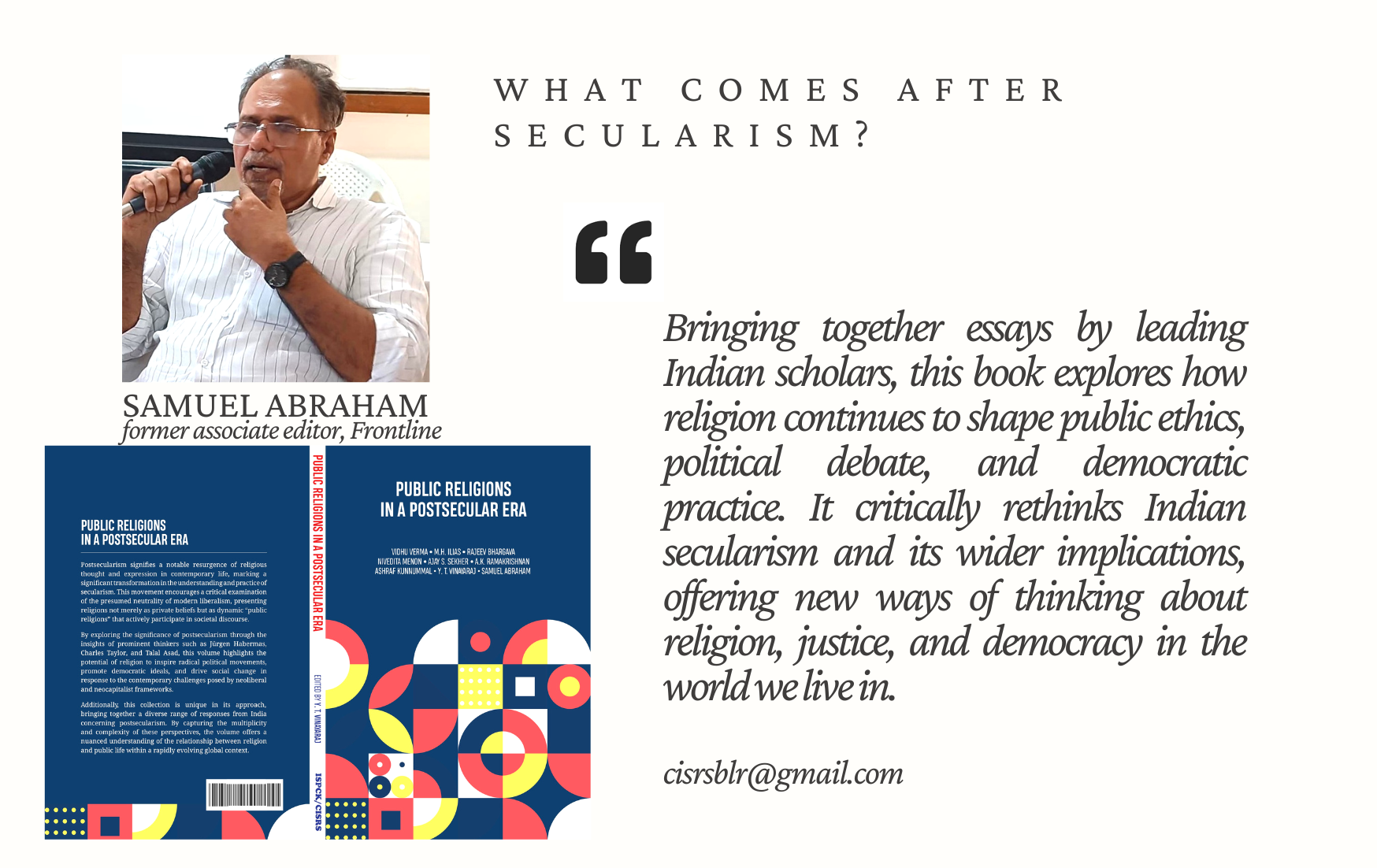
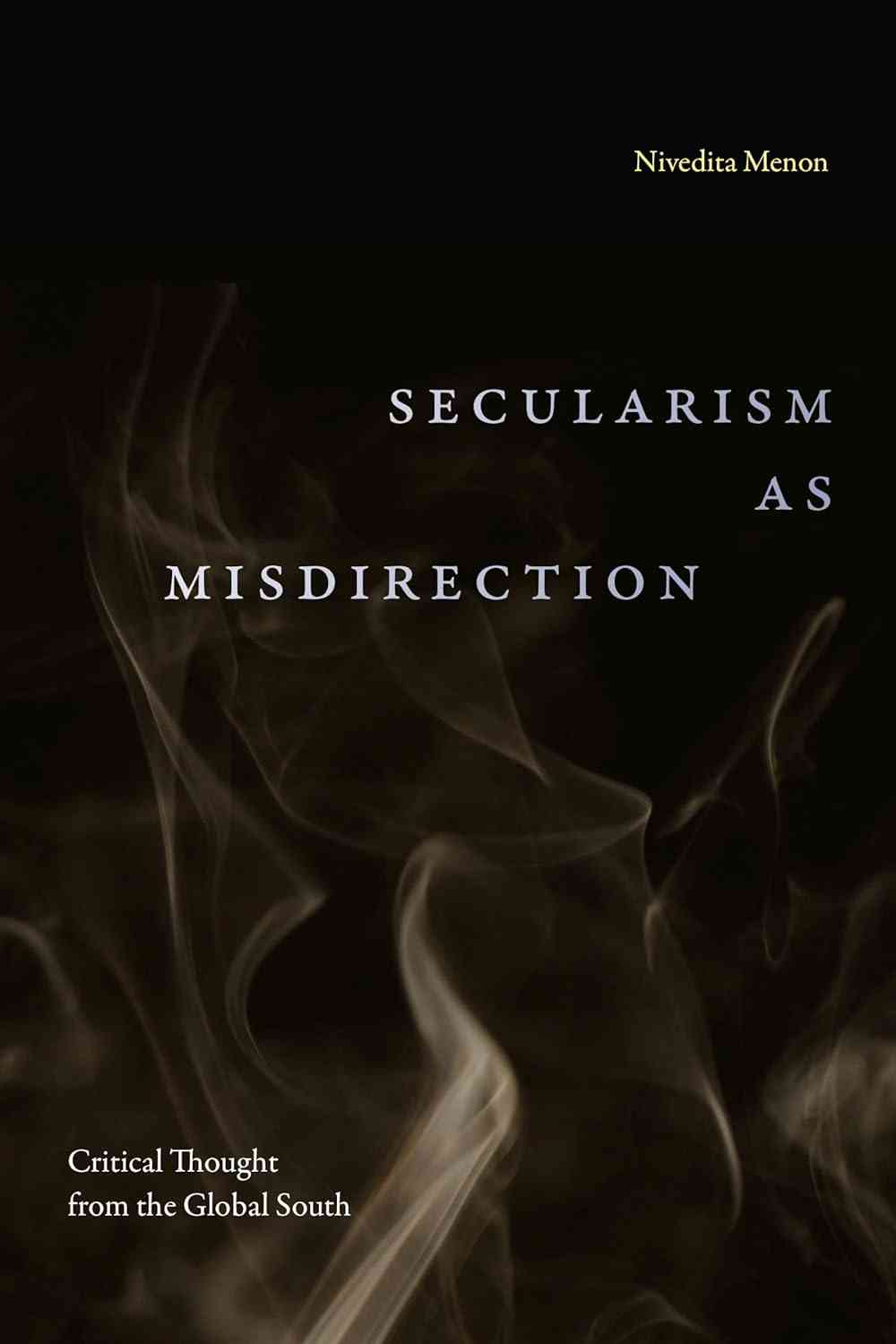
"Bringing together essays by leading Indian scholars, this book explores how religion continues to shape public ethics, political debate, and democratic practice. It critically rethinks Indian secularism and its wider implications, offering new ways of thinking about religion, justice, and democracy in the world we live in."
Samuel Abraham
Religion has and continues to shape public life, politics, and identity globally. When negotiations between the Lech Wałęsa–led Solidarity movement and the Communist government began in Poland in 1989, three observers from the church were present at the Round Table Talks. Václav Havel in Czechoslovakia framed the struggle against totalitarianism during the Velvet Revolution (1989) as a moral and spiritual awakening rather than a political revolt. Whatever its political underpinnings, religion was interwoven with the language of protest during the Tunisian Revolution (2010–11) and the Arab Spring. The watershed moment came on September 11, 2001, when the world’s fault lines were violently exposed.
José Casanova, sociologist of religion and the author of Public Religions in the Modern World (1994), argued that this marked the re-emergence of religion in public life. His idea of the deprivatization of religion—that faith continues to influence the public sphere rather than retreat into private life—would inform later debates on postsecularism.
The term “postsecularism” was introduced into the philosophical lexicon by Jürgen Habermas, a leading figure of the Frankfurt School of Critical Theory. Religion, he argued, continued to shape moral and political life, and rather than clashing, religious and secular perspectives must engage one another with mutual respect.
The essays in this volume engage with this scholarly idea of postsecularism. Written by eminent Indian academics—Rajeev Bhargava, A. K. Ramakrishnan, Nivedita Menon, Vidhu Verma, M. H. Ilias, Ajay S. Sekher, Ashraf Kunnummal, and Y. T. Vinayaraj—these essays frame postsecularism not as a rejection of modernity but as a re-examination of its foundations. Scholars debate whether the “post” in the term means “after,” as in “religion after secularism.” The consensus is that the postsecular era is not a return to a pre-secular past but a journey of renewal.
The book situates this debate firmly in the Indian context. Indian secularism, unlike its Western counterpart, was conceived as equal respect for all religions rather than strict separation between religion and state.
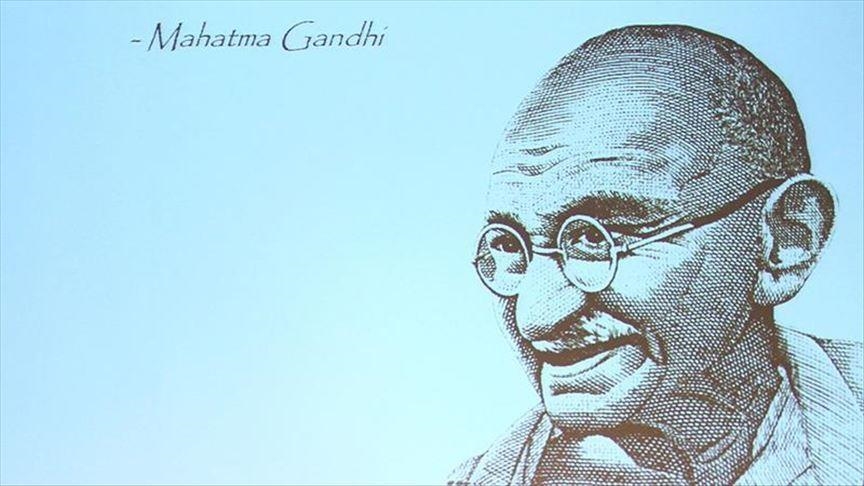
Against this background, Mahatma Gandhi and B. R. Ambedkar emerge as thinkers far ahead of their time. Gandhi’s insistence that religion cannot be separated from politics, and Ambedkar’s understanding of dhamma as a moral force meant to “reconstruct the world,” challenge both the dogmatism of organized religion and the moral emptiness of a purely secular rationality.
Essays in this volume explore Gandhi’s ideas of sarva dharma sambhava, satyagraha, and his critique of material progress as articulating a distinctive vision of public religion—one oriented toward moral transformation rather than state power. At the same time, they highlight Ambedkar’s turn to Buddhism as a radical theological-political act that rejects both Brahminical hierarchy and Western liberal secularism. According to Y. T. Vinayaraj, the editor of this volume, by embracing Buddhism Ambedkar transformed religion into a tool of liberation and ethical resistance, reclaiming its public and political dimension.
Ambedkar’s Navayana Buddhism exemplifies a postsecular religious imagination that unites ethical rationality with social transformation. It proposes a public religion of equality, grounded in human dignity and justice. This vision becomes a model of what Vinayaraj calls radical political theology—one that moves beyond traditional liberation theologies tied to metaphysical notions of divine sovereignty.
Radical postsecular theology envisions a de-sovereignized, material, and planetary spirituality grounded in the politics of the excluded—the “crucified” and the “earth.” It affirms the agency of matter, ecology, and embodied communities, and calls for a political theology of the earth that resists neoliberal domination, reshaping theology as a process of re-worlding the present rather than worrying about an “other world.”
This book challenges the certainty of secular reason by asking how justice, dignity, and democracy can be pursued in the world we live in.
Samuel Abraham is the former associate editor of Frontline.
Become a member
Get the latest news right in your inbox. We never spam!


Comments
No Comments