
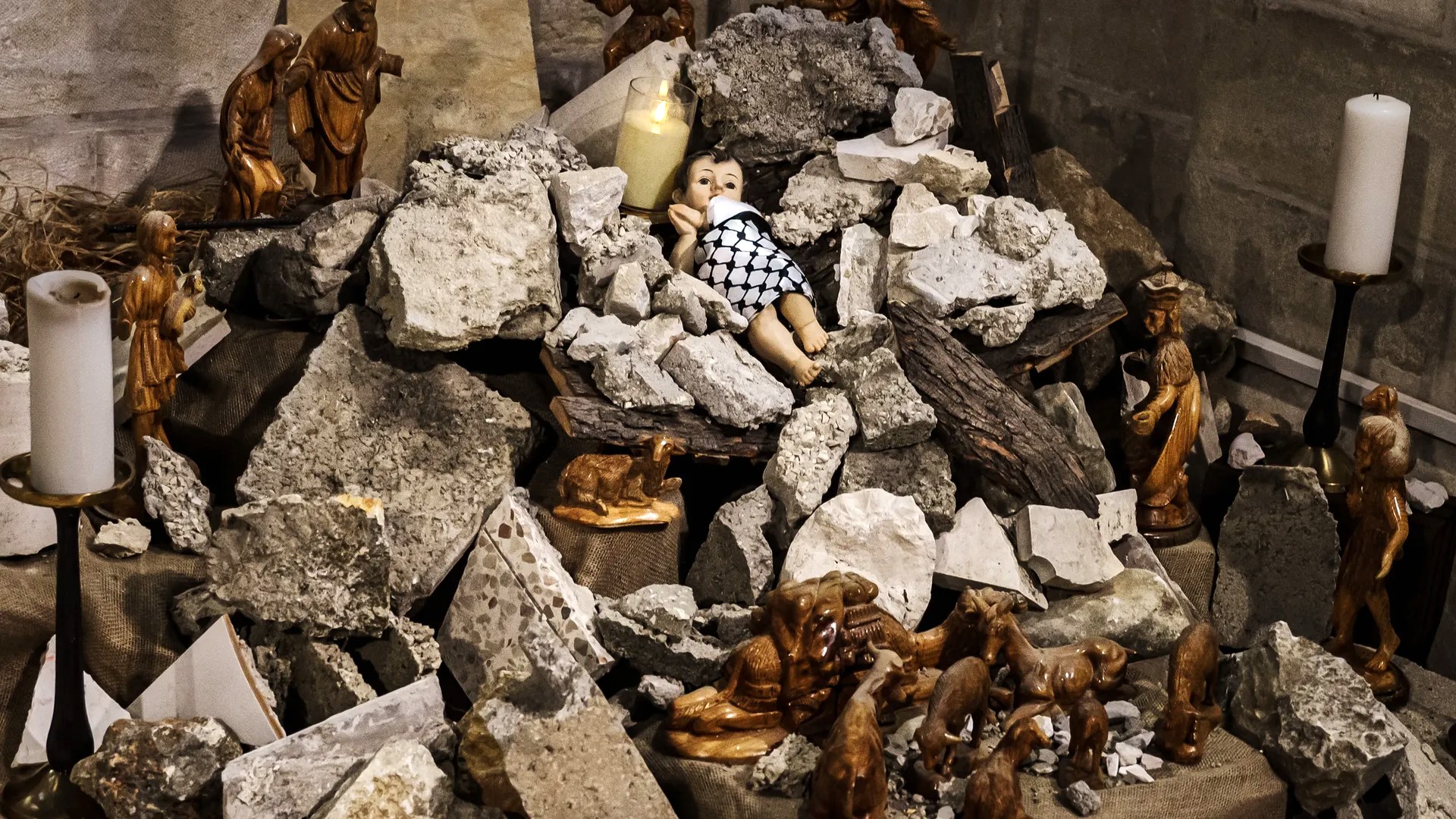
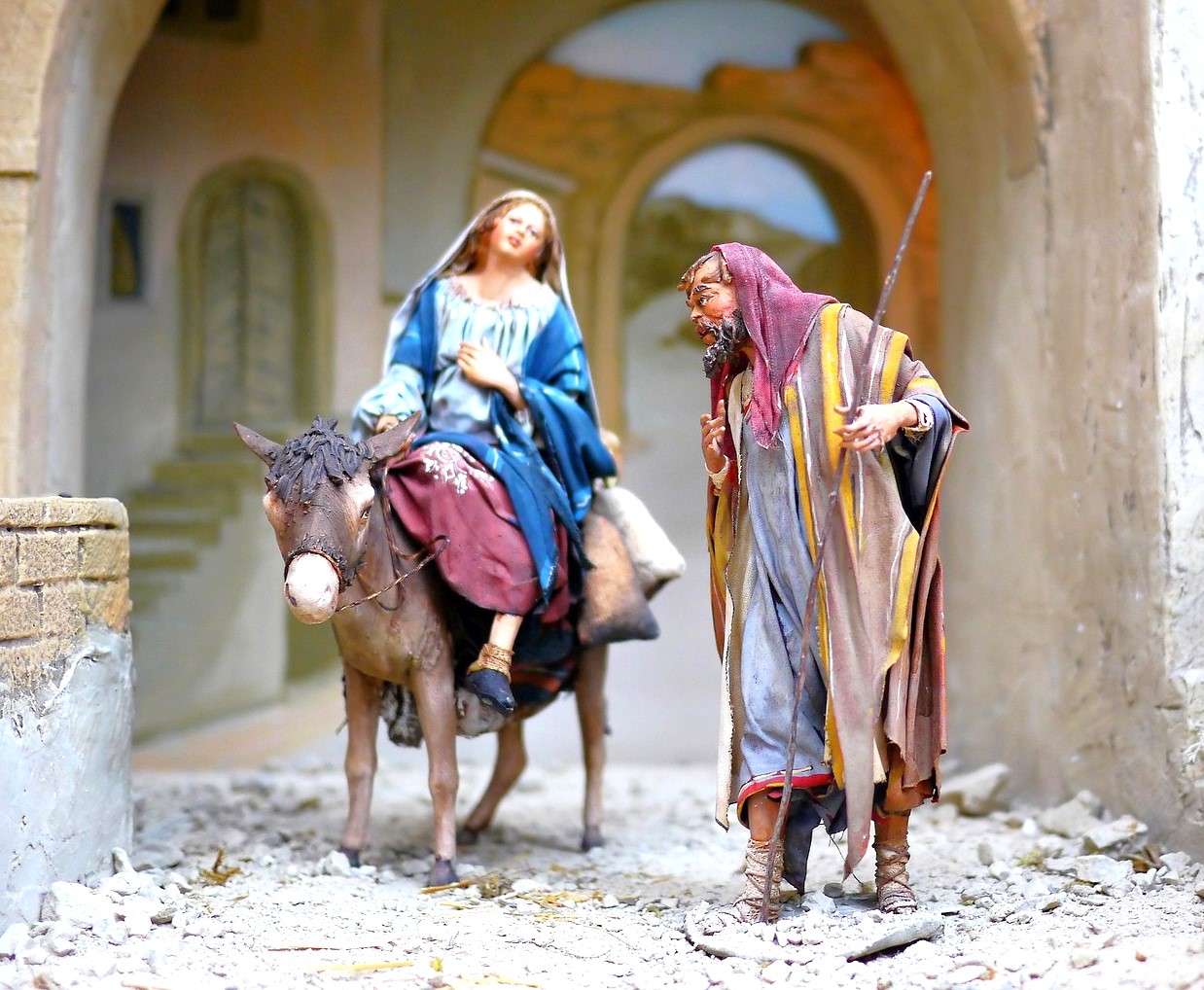
An installation of a scene of the Nativity of Christ with a figure symbolizing baby Jesus lying amid rubble, in reference to Gaza, inside an Evangelical Lutheran Church in the West Bank town of Bethlehem, Dec. 10, 2023. (AP Photo/Mahmoud Illean)
To Zionist Israel, we declare: we are Palestinians!
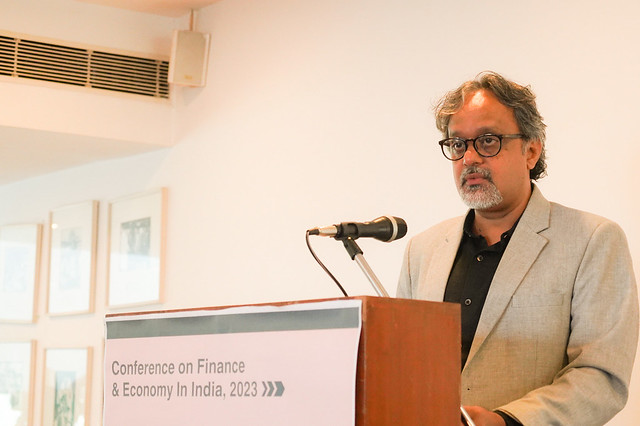
Y.T. Vinayaraj
(This excerpt is taken from his speech given at a seminar for the staff and partners of the Student Christian Movement of India. The seminar, held at the SCM Center in Bangalore on September 15, 2025, focused on the theme "Christ Ministering from the Rubble: Empowering Student and Ecumenical Leaders for Prophetic Solidarity with Palestine.")
Palestine exemplifies the global phenomenon of necropolitics—the politics of death—along with the incarceration of vulnerable populations and the material destruction of livable environments. The devastation in Palestine, characterized by the mass killing and displacement of innocent children, women, and civilians, highlights the intersection of imperial agendas, nationalist projects, and colonial violence. Despite its land resources, cultural heritage, and human potential, Palestine has been reduced to a site of overwhelming grief and loss.
The continuous bombardment of Gaza has transformed it into a barren landscape marked by death and destruction, reinforcing the notion that Palestinian suffering results from broader systems of violence. Food insecurity has been weaponized, with attacks reported at food distribution points, and humanitarian workers regularly face assaults. The forced displacement of many Gazans, who have become refugees, illustrates how modern warfare creates new modes of precarious existence. Palestinians serve as symbols of vulnerable, grievable lives, echoing Judith Butler's analysis of war zones.
The roots of the Israel-Palestine conflict lie in colonial occupation and the expansion of Zionist nationalism, underscoring how imperial and nationalist policies perpetuate ongoing violence and exclusion. The forced establishment of Israel in 1948, driven by Zionism and European nationalist movements, led to mass displacement and the continued oppression of Arabs and Christians in Palestine. Palestinians have been subjected to ghettoization and daily warfare, supporting the assertion that their bodies have become battlegrounds.
However, as Karl Marx noted in his essay on the “Jewish Question” written in 1843, we must distinguish between the oppressed nationality of Jews and the propaganda of political Zionism. The political persecution of Jews under the dominant regimes including the Nazi regime and their demand for a homeland to escape political exile are historically validated. Furthermore, We must recognize the progressive Jewish religious and cultural traditions that promote love, hospitality, and coexistence. Anti-Semitism must be condemned just as strongly as anti-Palestinian sentiment, as both are ideologies rooted in hatred and violence. It is distressing to observe that the current Zionist governance of Israel revisits the horrors of the Holocaust and resembles a new form of Nazism.
The Question of Solidarity with the Palestinians
It is crucial to express solidarity with the Palestinians, who are experiencing significant political victimization, particularly as Israel increasingly resembles a fascist state. The acts of solidarity demonstrated by international organizations, such as the United Nations Security Council, deserve acknowledgment and appreciation. We, the ecumenical organizations in India, extend our solidarity to the Palestinians through the Kairos India Palestine (KIP) project, reflecting the theological stance of Indian Christian faith communities against Israel’s illegal occupation and the victimization of Palestinians.
However, the slogan “solidarity” has often become a mere buzzword for advocacy, expressing sympathy for the suffering of Palestinians without addressing the complex issues involved, including colonialism, imperial expansion, xenophobia, Islamophobia, and neocapitalism. Furthermore, it often lacks a self-critique regarding how we, as Christians, politically and religiously contribute to these imperial agendas. Typically, our slogans of solidarity fail to confront our religious, theological, and political norms, which often legitimize a program of the political victimization.
By legitimizing an enduring tension between the "self" and the "other," conventional solidarity positions the “other” in a state of dependency, framing them as needing charity. This perspective reinforces a fixed ontology—a self-rationalizing attitude, that is excusatory, apologetic, redundant and sovereign, lacking in the necessary deconstruction of how we perceive others and understand ourselves. There are theologians who critique the concept of “prophetic solidarity” found in the Old Testament for being self-justifying, rooted as it is in strict monotheistic and nationalist views.
In contrast, Jesus’ command to “love your neighbor as yourself” in the New Testament presents a radical perspective on love (ethic of other) that begins with a restructuring of ourselves and how we treat others. Jesus’ parable of the Good Samaritan (Luke 10:25-37) effectively illustrates this radical politics of love, compelling the Jewish Rabbi to confront his biases in the presence of a Samaritan—considered an outsider—who offers solidarity to a wounded person in need. True radical solidarity demands a fundamental reshaping of our consciousness, desires, and faith practices, recognizing and valuing the other as an essential aspect of our salvation.
It is crucial to explore how Christianity can be decolonized, de-imperialized, de-sovereignized, and de-capitalized while fostering solidarity with political victims worldwide, including Palestinians. If our expressions of solidarity do not confront our own Islamophobic, xenophobic, homophobic, and discriminative attitudes in our local contexts, they will remain superficial, shallow, and ineffective, reduced to mere words or acts of charity, as we see in the diplomatic politics of Donald Trump in the case of Israel-Palestine conflict or in any other global conflicts. In fact, the act of solidarity positions the suffering of Palestinians as our locus point of reconstructing ourselves.
Becoming Palestinians in an Era of Genocide
In a time defined by genocide and ecocide, showing solidarity with the Palestinians presents the challenge of "becoming Palestinians." This concept encourages a deeper, more empathetic form of solidarity, inviting us to feel and share in their pain through active participation in their struggles of survival. It involves embracing mutual vulnerability as well as reassessing our own comforts and complacencies.
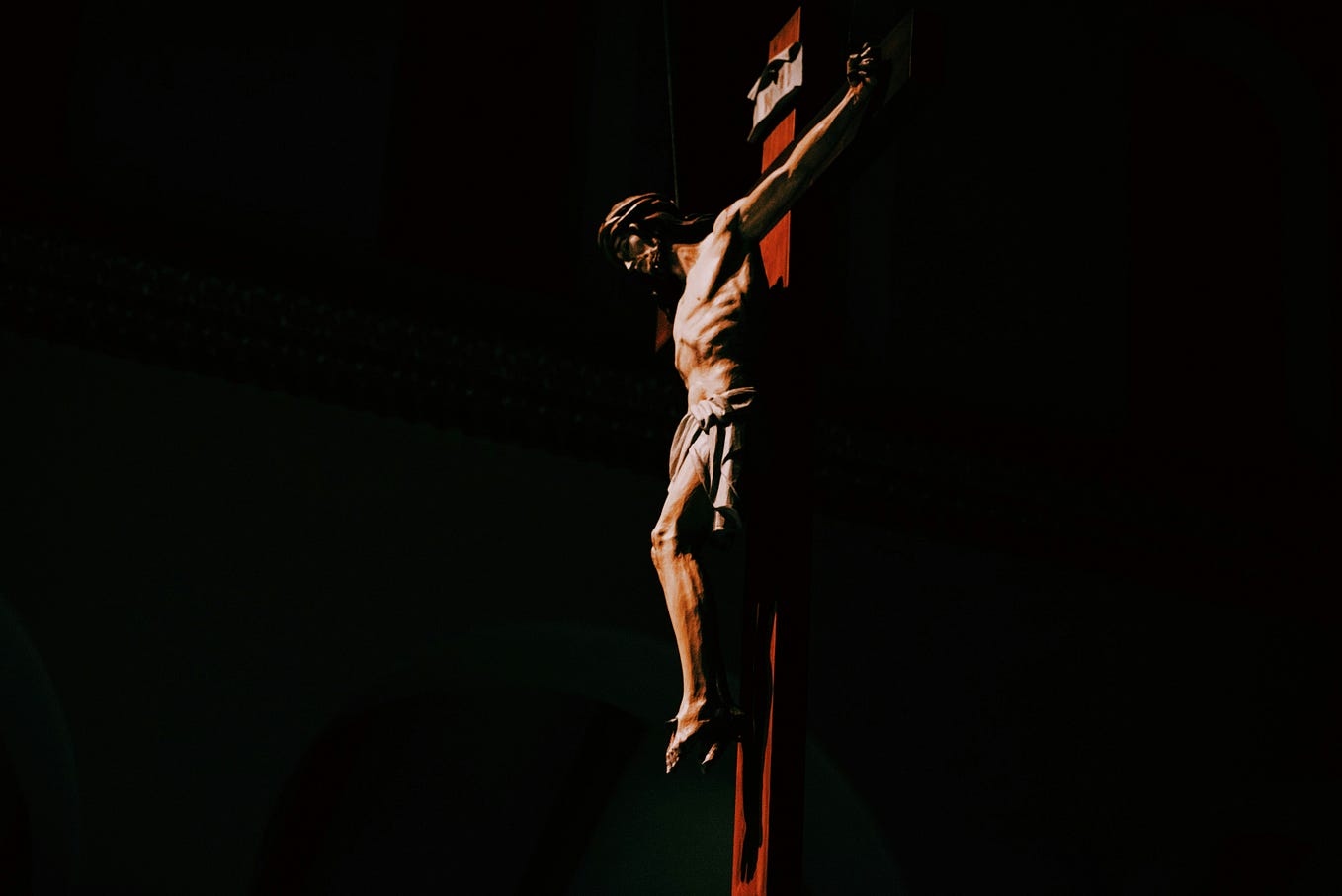
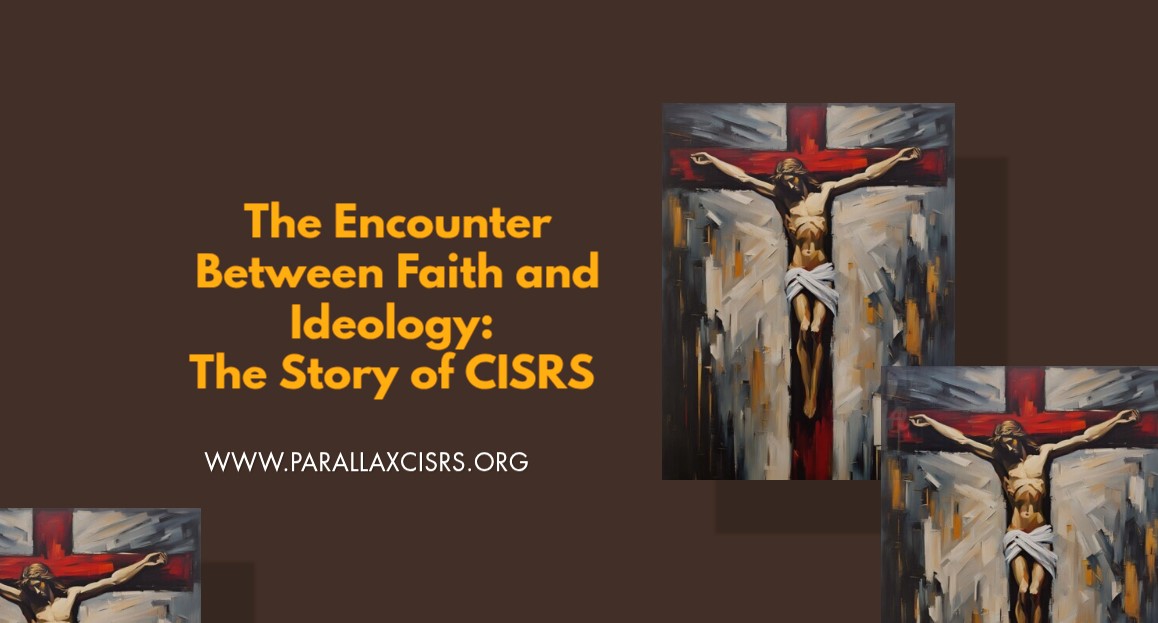
This idea is powerfully illustrated through the crucifixion of Jesus Christ. His death was a radical act of solidarity that required the renunciation of divine sovereignty—a closed ontology. It was not merely a superficial demonstration of solidarity that reinforced God's power, identity, or majesty. Instead, it represented an act of becoming a tortured victim within the context of Roman imperialism, internalizing the political struggles of those who suffer.
Giorgio Agamben, a contemporary political theologian, offers a compelling image of Christ as one who sacrifices inherent sovereignty and embodies the figure of the homo sacer—a sacred person who is perpetually subjected to a "state of exception," living a bare life where the law does not apply, and murder is commonplace. For the homo sacer, what is ensured is not life, but death in contrast to the natural death all humans experience. Agamben describes the church as a site of "living dead," reflecting the status of the crucified Christ. This community is de-imperialized within and simultaneously embodies the hope of insurrections.
Slavoj Žižek presents a thought-provoking perspective, suggesting that the "death of God" on the cross leads to the formation of a messianic community—a church that serves as a home for the "living dead." The practice of the Eucharist continually reminds the church of its significance.
The concept of the "living dead" within ecclesial ontology challenges the imperial or sovereign church, which superficially claims to support the poor and marginalized while upholding its own power structures. The church, as a community of faith, is called to transform into a community of crucified bodies by letting go of its closed identities, traditions, doctrines, and theologies. It must actively engage in the "micropolitics" of the oppressed within its own context and strive to become a broader community for those who have never had a community at all.
While global networking is essential in our connected world, true radical solidarity demands an alignment with local realities as a means of collective resistance and resilience, thus forming a broader network of those affected. The ontology of becoming the tortured Palestinians calls for a radically new theology of God, Christ, church, liturgy, and ministry for the church/ faith communities. It is not about preaching a Christ who ministers to the poor while maintaining his sovereign authority from above, but about recognizing a crucified Christ—a “living dead” who envisioned a community of insurrection in this world.
Embodying the solidarity of the crucified Christ is an invitation to reshape our theologies, doctrines, liturgies, and political practices as artistic expressions of the pain, agony, and hope of the suffering, exemplified in our practice of the Eucharist.
To Zionist Israel, we declare: we are Palestinians!
(Rev. Dr. Y.T. Vinayaraj serves as the director of CISRS in Bangalore.)
Become a member
Get the latest news right in your inbox. We never spam!




Comments
No Comments